Private Label Used to Compete on Price. Now It Competes for Brand Trust.
FOR DECADES, private labels were a financial safety measure for shoppers who quickly forgot about them when budgets loosened. It was a price play: cheaper, good enough, never something anyone bragged about. Those preconceived notions are a thing of the past, and the data makes it hard to argue otherwise.
Store brands set another record in the U.S. last year, topping $282.8 billion in sales, growing nearly three times faster than national brands and outpacing them for the third consecutive year. But the growth numbers aren't the real story. It sits in a single figure from FMI's Power of Private Brands 2026 report: 94% of shoppers say they'd keep buying private label even if grocery prices came down. If this were purely a budget story, that number would collapse the moment wallets relaxed. It holds. That's not price sensitivity. That's trust.
When a shopper reaches for a nationally-known brand, decades of advertising have already done the work of reassurance. The logo is a shortcut: This is safe. It will taste right. It won't disappoint. Private label has historically lacked that shortcut, especially where quality feels least certain — fresh, pantry staples, the things going in front of a family. So, shoppers build that confidence somewhere else.
Where the confidence comes from
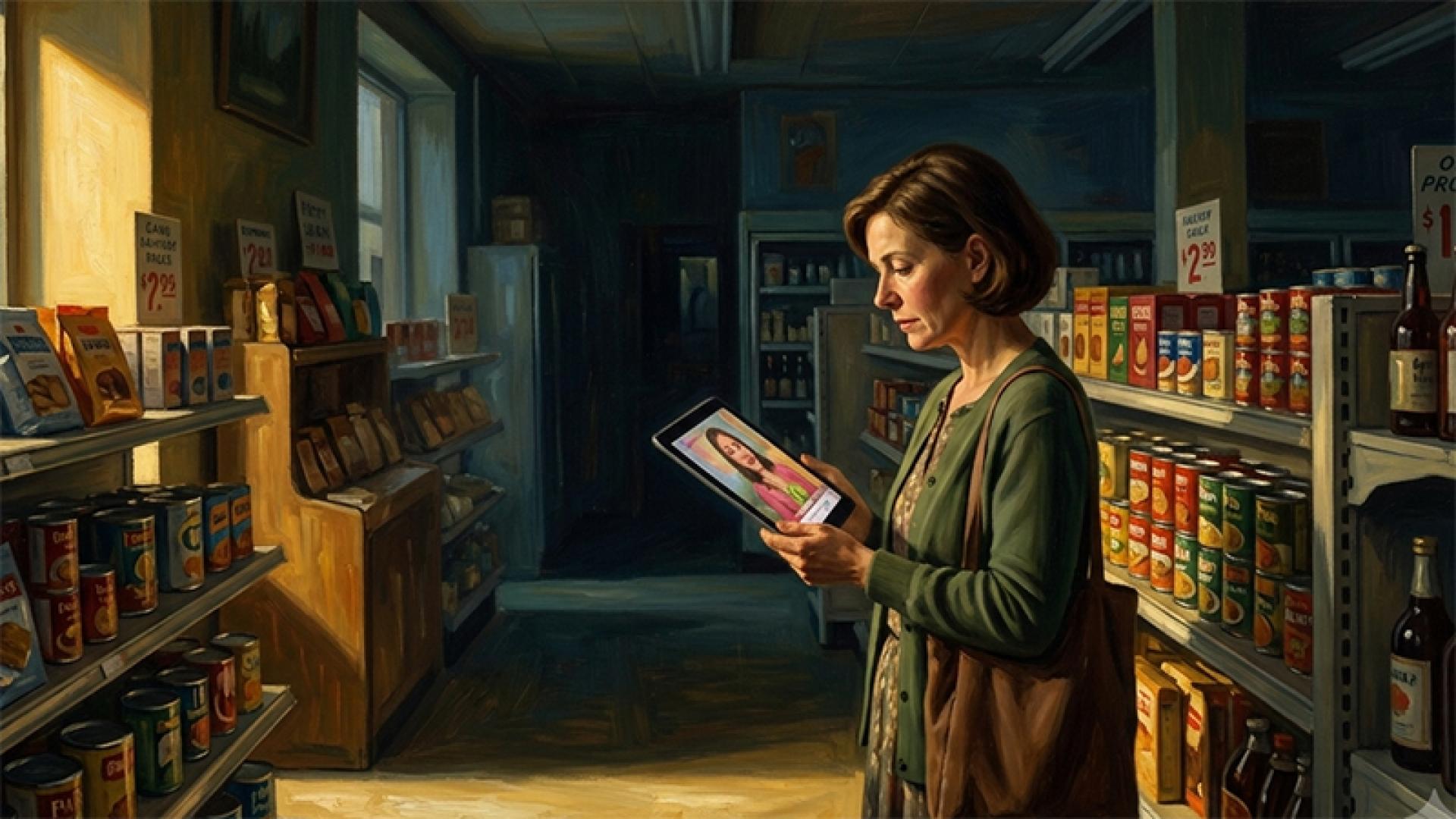
People trust other people more than they trust brands. That instinct is old. What's changed is how aggressively shoppers act on it, and how fragmented the path to a purchase has become. A decade ago, an interruptive message could push consumers toward a shelf and most of their research happened on the product page.
That funnel has broken apart. Discovery now happens across social feeds, forums, retailer apps, and search, and shoppers don't stay anywhere for long. What they're hunting for in each place is the same thing showing up consistently: a clear claim, and the proof to back it.
Bazaarvoice's annual Shopper Experience Index found that only 3% of shoppers consult a single source before they feel safe buying. Six in ten need two or three independent sources, while more than a third need four or more. Ratings, reviews, and the photos other shoppers leave behind have become the validation layer for store brands. They’re the things that answer "Is this actually any good?" before someone takes the risk.
The data shows private label products with strong review coverage outperform those with weaker review coverage on both conversion and repeat purchase. For an unfamiliar brand, that authentic feedback is often the entire basis for the first "yes."
The quality story reinforces this finding: 37% of shoppers say store-brand formulations have improved in taste and 39% believe private label quality has risen overall. They're not settling for less to save a dollar because the product has genuinely gotten better, and they're looking for proof from buyers like them to confirm it.
The economy widens the opportunity further: 41% of shoppers say they're more open to private label, pre-loved, or refurbished items than a year ago, and Gen Z and millennials are buying private label at a notably higher rate than average.
What it means for retailers and brands
None of this means price stops mattering. Shoppers are making sharper value-versus-cost calls than they have in years. But "good value" now includes confidence. A shopper will pay a little more, or try something unfamiliar, when they believe they're making the right pick and that belief is built from other people's experiences.
So the opportunity is straightforward. The product investment has clearly happened, but the trust infrastructure often hasn't. That means building authentic customer content for private labels the way national brands spent decades building advertising, and showing up consistently wherever shoppers look, including the spaces brands used to ignore, like Reddit, where the conversation happens with or without you.
In the age of AI, well-governed, structured data (such as customer sentiment tied to the product catalog, with clear provenance and citations) increasingly determines whether a store brand gets surfaced and recommended or quietly skipped. And it means respecting category dynamics, because how a shopper assesses risk in the fresh aisle is not how they assess it in household goods.
Private label has earned a permanent seat in the American cart, and it didn't get there on price alone. It got there because shoppers learned to trust it, mostly by trusting each other.
 Douglas C. Straton earned his brand-side experience at companies like Hershey, Unilever and LVMH. As CMO of Bazaarvoice he leads an effort that helps 13,000+ companies globally (including Dole and Kraft Heinz), which gives Doug a direct view into the shifting food market.