In Overwhelming Markets, Your Differentiator is Dependability
Key findings from PA Consulting 2026 Brand Impact Index reveal consumers value dependability above all other attributes
AS BUDGETS TIGHTEN and complexity compounds, consumers are reassessing what’s most valuable to them. What resonates most with cost-constrained, choice-fatigued consumers? Dependability makes all the difference, according to PA Consulting’s 2026 Brand Impact Index.
The past half-decade has been characterized by geopolitical turmoil, a global pandemic, and economic belt-tightening. No wonder consumers are overwhelmed. Brands also feel the squeeze and are fighting hard to retain consumer spend. But in turbulent times, consumers don’t want every feature and benefit under the sun. They want reliable products, services and experiences, delivered by brands they trust.
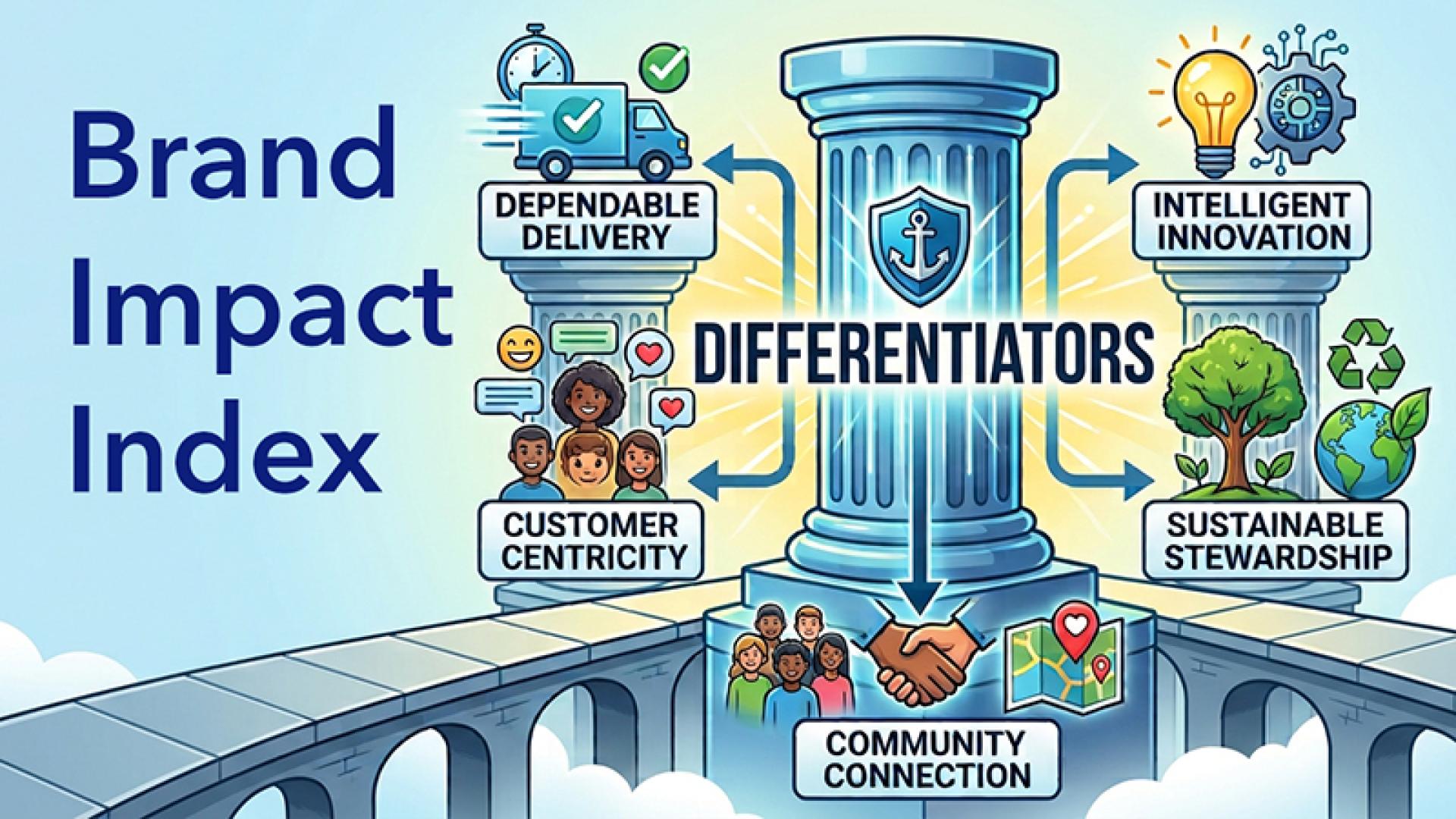
The Brand Impact Index asked 7,000 US consumers to rank 297 brands against five components that consumers see as key to brand engagement:
- Dependable delivery
- Intelligent innovation
- Customer centricity
- Sustainable stewardship
- Community connection
It also asked 370 business executives at brands across market categories to assess their own priorities and challenges relating to the components.
All five components are important. Brands that perform highly across components were found to have grown stock price 2.1x, revenue 1.5x, and profit 2.2x faster than competitors over the past five years.
However, one component stood out: dependable delivery. It’s no coincidence that the highest-performing brand, BAND-AID, was also the brand that consumers saw as most dependable. The adhesive bandage maker sticks to what works, pursuing expansion and innovation that makes sense for its audience.
The complication is that brand executives aren’t necessarily prioritizing investment in dependability. They’re focusing on customer-centricity; trying to get closer to their consumers. And yet, without dependability, those efforts will fall flat. Brands should consider resetting their focus and replicating the success of leading brands through realism, specificity, and flexibility.
Be realistic about what can be delivered
It’s easy to fall into the trap of trying to entice consumers with countless features and benefits. But impressive selling points only impress when they’re delivered consistently, which means brands need to be realistic.
Supply chain issues, legacy operating systems, and skills shortages, not to mention a downward trend in consumer confidence1 since 2021, are just a handful of the challenges that brands face. AI-driven transformation can help to alleviate some of these challenges, for example through smarter sourcing and more efficient ways of working. But for most brands, the reality is that the ‘do it all’ age is over.
Even if a brand could create an all-singing, all-dancing product, it may not win consumers over. In fact, it could do the opposite.
The most successful brands don’t diversify themselves to death. They know their consumers, and when they make changes, those changes build on their existing foundations. With this in mind, it makes sense that brands with a clear, consistent product focus – such as Apple, Ring, Roomba, Fitbit, and Dawn – take top spots in the Index.
Be specific about audience and offerings
A product that promises to do everything for everyone will quickly fail. Many of the highest performing brands in the Index are tried-and-tested, with core product offerings that consumers know and trust. Newer brands, such as Once Upon A Farm (ranked third), won their place through specificity – not just in terms of the products, but who those products are for. The brand has a deeply defined audience, and tailors its whole product range with that specific audience in mind. The result? Once Upon A Farm’s Q1 sales jumped by 43.7 percent to $72.7 million.
Being specific means brands can deliver dependable interactions with consumers that make genuine improvements to their lives. In turn, this enables brands to enter a more meaningful dialogue based on trust. based on trust.
Be flexible when preferences shift
Understanding what consumers want – and delivering it – is the foundation of brand success. But what consumers want won’t always stay the same. Their life journeys will point them towards different products, services, and experiences, and brands need to be ready to capture those moments. Similarly, as the world itself changes, so too will consumer preferences. For example, as the impact of climate change becomes more visible, consumers may look for products with stronger elements of sustainable stewardship.
The important thing is to ‘make it make sense’ for consumers. Sports apparel brand Under Armour does sustainability in a way that makes sense for its brand. No lofty carbon commitments to see here – sustainability is literally sewn into products through its environmentally-conscious materials manufacturer.
The bottom line is that dependability doesn’t mean doing the same thing repeatedly. It means listening carefully to consumers and the broader market. Then be able to assess and flexibly meet those preferences.
References:
1 https://www.conference-board.org/topics/consumer-confidence/index.cfm
2 https://ir.onceuponafarmorganics.com/news-events/press-releases/detail/110/once-upon-a-farm-reports-first-quarter-2026-financial-results
 Growth strategy and transformation expert Jorge Aguilar is a Partner at PA Consulting, where he helps consumer goods leaders turn changing consumer demand into their next wave of growth. His work connects growth strategy, brand, and innovation to build stronger businesses and translate opportunity into measurable results. He helps leaders rethink where to compete, what to create, and how to harness AI while keeping consumers at the heart of their decisions.