The Real Packaging Experience Starts After Purchase
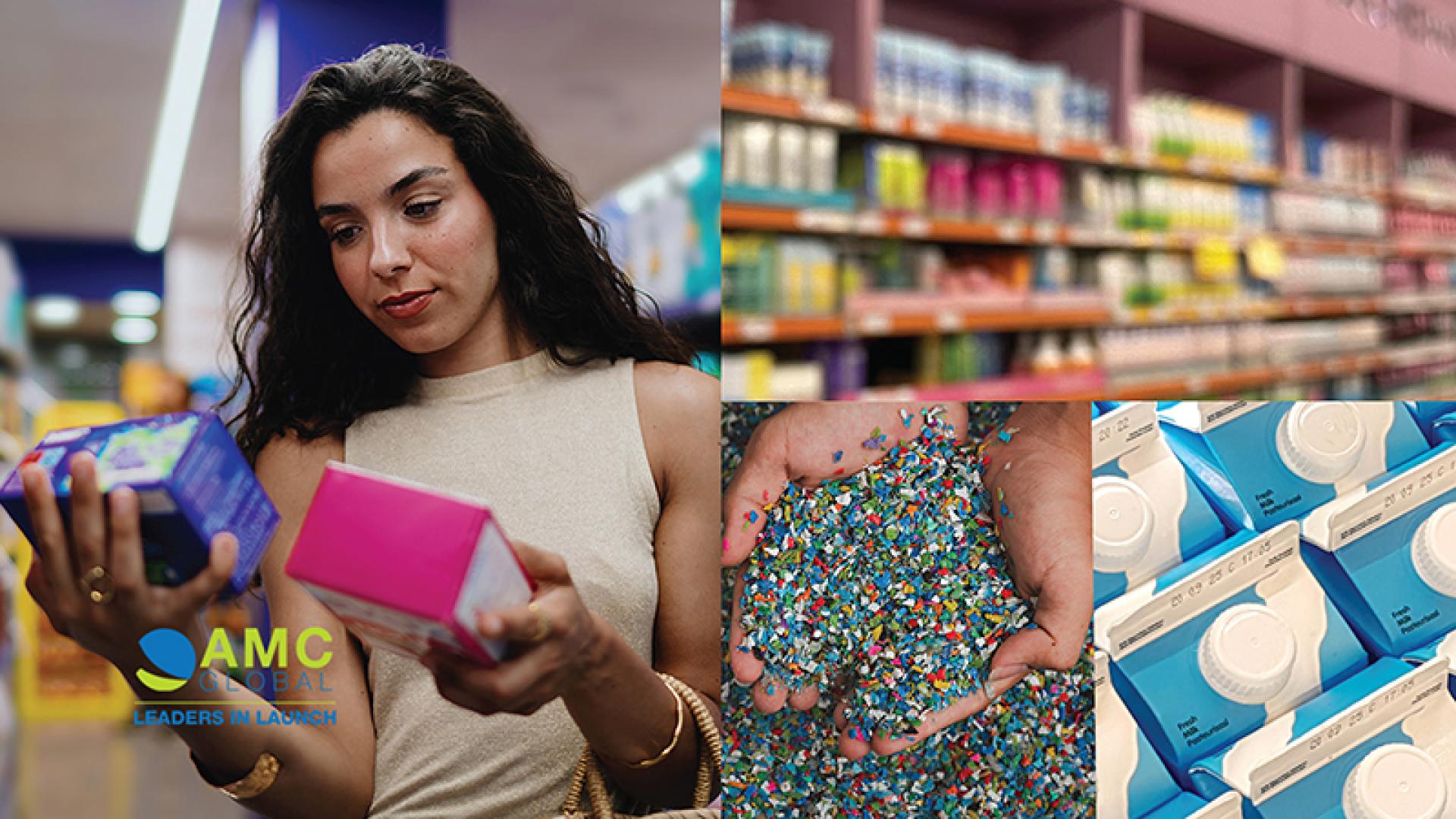
WHEN IT COMES TO PACKAGING, decisions are typically made well before a product ever reaches a consumer’s home. Teams review concept renderings, assess shelf presence, test claims hierarchy and compare design directions as part of the pack design process. While those steps are essential, they do not always anticipate how packaging performs once consumers begin regularly using the product in everyday life.
Across food and beverage, personal care, household products and other consumer categories, packaging is a crucial part of the overall product experience. Packaging issues may seem minor internally, but consumers absolutely notice how easily a package opens, whether it reseals properly, how well it fits in storage spaces and whether it creates unnecessary mess or waste. We’ve all been there, digging around for a pair of scissors to open a package that was supposed to have an easy pull top.
Those moments shape satisfaction long after the initial purchase decision has been made. Problems with closures, dispensing, storage or disposal influence the overall consumer experience and really can affect whether someone buys the product again — or switches to a competitor.
Packaging is under pressure from multiple directions
Teams that work on product packaging balance a growing number of competing priorities. Sustainability commitments, ecommerce requirements, retailer expectations and inflation sensitivity all influence packaging decisions in ways that can create unintended consequences once products reach consumers.
The consumer reaction to shifts from plastic to paper straws is one example of how well-intentioned material changes can quickly become part of the broader product experience. (No one wants a soggy straw!) Product experiences shape perceptions around usability, quality and even brand trust.
Material reductions may improve shipping efficiency or sustainability metrics while also changing how consumers interpret product quality or value. Structural redesigns intended to modernize packaging can unintentionally make products harder to open, reseal or store. In digital retail environments, packaging also has to communicate clearly at thumbnail scale while still functioning effectively once it arrives in consumers’ homes. This is a lot to juggle!
Many of these overlapping pressures are explored in AMC Global’s recent guide, “Packaging Under Pressure,” which examines how packaging choices influence perception before, during and after purchase.
Traditional packaging testing misses post-launch moments
So how can market research help solve these packaging challenges? Traditional packaging research methods remain valuable for understanding shelf impact, visual communication and purchase intent. What they may not fully capture is how packaging performs after repeated real-world use.
A package that works well in a controlled evaluation can behave very differently once consumers begin using it at home. Storage limitations, repeated opening, moisture exposure, travel and disposal habits all shape how packaging is experienced over time.
Many of these issues only become visible once products move through real purchasing and usage conditions. Ratings, reviews and social media have also made packaging frustrations more visible, creating faster feedback loops around problems that may not surface during pre-launch evaluation. This is one reason more companies are treating packaging evaluation as an ongoing process rather than a single checkpoint before launch. Post-launch feedback can reveal issues that only emerge once products move through real purchasing, shipping and everyday usage conditions.
Closing the gap between launch and lived experience
For teams working on market research to inform product and packaging decisions, there is an often unmet need to understand how packaging performs after products enter consumers’ homes, not just how packaging concepts test before launch.
Some brands are increasingly incorporating at-launch and post-launch feedback approaches that capture reactions from verified purchasers shortly after purchase and initial use. Because responses come from consumers interacting with products in everyday settings, these approaches can help identify issues tied to packaging usability, value perception and overall satisfaction while products are actively in-market.
As packaging decisions become more closely tied to customer experience, post-purchase insight is becoming increasingly important to understanding what actually happens once products move beyond the shelf and into daily life.
About the Author
Emily Trentacosta brings more than 20 years of client-side and supplier-side market research experience to her role as Vice President of Insights & Strategy at AMC Global. She works closely with brands to develop customized research solutions that help teams make more informed business and product decisions. Emily has deep expertise in quantitative methodologies, with a particular focus on CPG and consumer healthcare. Before joining AMC Global, she worked as a market research manager at GlaxoSmithKline Consumer Healthcare.